


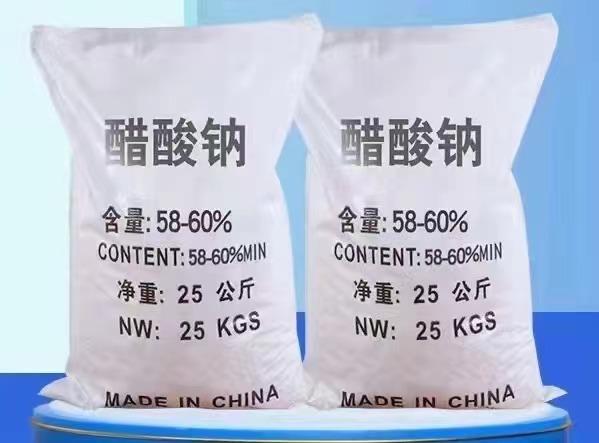


Sodium Acetate, Industrial Grade
Contact Info
- Add:巩义市工业园区, Zip:
- Contact: 王经理
- Tel:18838123457
- Email:1114086370@qq.com
Other Products


Before using carbon sources for wastewater treatment, we need to understand their corresponding types. In fact, they can be divided into many categories, with different types serving different purposes. What are the specific types? Below is a detailed introduction:
1. Methanol
Methanol, as an external carbon source, has the advantages of low operating costs and minimal sludge production. When used as a carbon source, a C/N ratio > 5 achieves better results.
2. Sodium Acetate
The advantage of sodium acetate is its immediate response to the denitrification process, making it suitable for emergency treatment in water plants. Since it is non-toxic and has a sludge yield similar to methanol, it is considered a viable alternative carbon source to methanol. When ethanol is used as the carbon source for wastewater treatment and nitrate serves as the electron acceptor, a C/N ratio of 5 is optimal. A lack of carbon source can lead to nitrite accumulation.
3. Acetic Acid
Its advantage lies in its immediate response to the denitrification process, making it suitable for emergency treatment during water plant operations. Due to its nature as a small-molecule organic acid, sodium acetate is easily utilized by denitrifying bacteria, resulting in effective nitrogen removal.
4. Sugars
Sugar-based substances, represented by glucose, perform well as external carbon sources. However, the extensive use of glucose as an external carbon source is not recommended.
5. Biomass Carbon Sources
With increasing demands for nitrogen removal in wastewater, specialized enterprises producing carbon sources for wastewater treatment have emerged. Using bioengineering principles, they ferment sugars, agricultural waste, and other materials to produce non-toxic and harmless biological products, primarily composed of small-molecule organic acids, alcohols, and sugars. These are more easily utilized by microorganisms compared to single chemicals, offer lower usage costs, and provide high cost-effectiveness.
6. Sludge Hydrolysis Supernatant
Volatile fatty acids (VFA) produced through biological transformation come from the supernatant of sludge hydrolysis. Due to the high denitrification rate of VFA generated from hydrolysis, the carbon source can be directly supplied from within the wastewater treatment plant. This approach reduces sludge volume and addresses issues related to carbon source transportation, making it a currently advantageous carbon source.
These are the main types of carbon sources for wastewater treatment. They play a crucial role in treating wastewater, but it is not advisable to use large quantities of carbon sources, as it may not only cause waste but also potentially lead to secondary pollution. Therefore, it is important to use them in appropriate amounts.
| Industry Category | Chemicals/Carboxylic Acid Derivatives/Carboxylates |
|---|---|
| Product Category | |
| Brand: | 河南宝兴 |
| Spec: | 58%-60% |
| Stock: | 1000 |
| Manufacturer: | 河南宝兴 |
| Origin: | 114101 |


